How To Protect Your Raised Beds With Linseed Oil In Simple Steps
Introduction
Raised beds are a great way to add beauty and functionality to your garden. They can also help to extend the growing season and improve drainage. However, over time, the wood in your raised beds can start to rot and decay. This is especially true if your beds are exposed to the elements.
One way to protect your raised beds from rot and decay is to apply linseed oil. Linseed oil is a natural wood preservative that can help to seal the wood and prevent moisture from seeping in. It can also help to protect the wood from UV rays and other environmental factors.
In this blog post, I will show you how to protect your raised beds with linseed oil in simple steps.
Materials Needed
- Linseed oil
- Brush or roller
- Safety glasses
- Gloves
- Rags
Instructions
- Prepare your raised beds by cleaning them with a mild soap and water solution. Be sure to remove any dirt, debris, or cobwebs.
- Allow your raised beds to dry completely.
- Apply a coat of linseed oil to all sides of your raised beds. Use a brush or roller to apply the oil evenly.
- Allow the first coat of linseed oil to dry completely. This may take several hours, or even overnight.
- Once the first coat of linseed oil is dry, apply a second coat. Again, use a brush or roller to apply the oil evenly.
- Allow the second coat of linseed oil to dry completely.
Tips
- For best results, apply linseed oil to your raised beds in warm, dry weather.
- If you are applying linseed oil to new wood, you may need to apply more coats to achieve the desired level of protection.
- Linseed oil can take several days to dry completely. Be sure to allow the oil to dry completely before planting in your raised beds.
Conclusion
Protecting your raised beds with linseed oil is a simple and effective way to extend their lifespan. By following the steps outlined in this blog post, you can keep your raised beds looking and performing their best for years to come.
Linseed oil is a natural and effective way to protect your raised beds from the elements. It penetrates deep into the wood, sealing it from moisture and pests. Linseed oil also helps to extend the life of your raised beds, making them a more sustainable choice.
If you're interested in learning more about using linseed oil for your raised beds, please visit Home Gardening. We have a wealth of information on the topic, including how to choose the right type of linseed oil, how to apply it, and how often to reapply it.
We also offer a variety of linseed oil products, so you can find the perfect one for your needs. Whether you're looking for raw linseed oil, boiled linseed oil, or a pre-mixed linseed oil product, we have you covered.
FAQ of linseed oil for raised beds
- Is linseed oil safe for raised beds?
Yes, linseed oil is safe for raised beds. It is a natural, non-toxic substance that can help to protect the wood from moisture and rot. However, it is important to use pure, raw linseed oil, as boiled linseed oil may contain harmful chemicals.
- How do I apply linseed oil to raised beds?
To apply linseed oil to raised beds, you will need:
* A clean cloth or brush
* Raw, unboiled linseed oil
- Sand the wood to remove any rough edges or splinters.
- Wipe the wood down with a damp cloth to remove any dust or debris.
- Apply a thin coat of linseed oil to the wood, using a cloth or brush.
- Allow the first coat to dry completely before applying a second coat.
- Repeat steps 3 and 4 until you have applied a total of 3-4 coats of linseed oil.
- How often should I apply linseed oil to raised beds?
The frequency with which you need to apply linseed oil to raised beds will depend on the climate you live in. In dry climates, you may only need to apply linseed oil once a year. In wet climates, you may need to apply it more often.
- Will linseed oil leach into the soil?
Raw, unboiled linseed oil will not leach into the soil. However, boiled linseed oil may contain harmful chemicals that can leach into the soil. It is important to use pure, raw linseed oil when treating raised beds.
- What are the benefits of using linseed oil on raised beds?
Linseed oil has a number of benefits for raised beds, including:
* It protects the wood from moisture and rot.
* It enhances the appearance of the wood.
* It makes the wood more durable.
* It can extend the life of the raised beds.
Image of linseed oil for raised beds
- A wooden raised bed that has been treated with linseed oil. The wood is a rich, dark brown color and has a smooth, glossy finish.
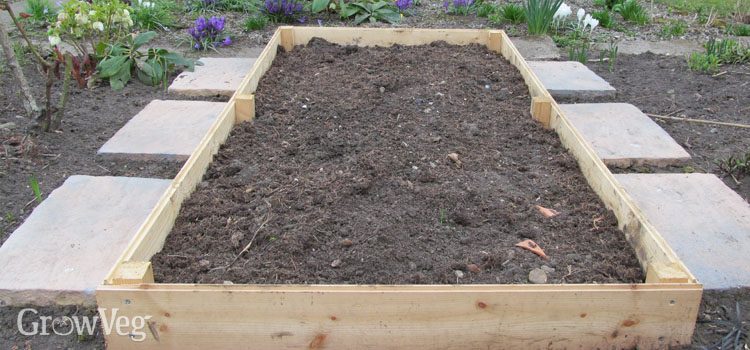
- A worker applying linseed oil to a newly built raised bed. The worker is using a paintbrush to apply the oil evenly to the wood.
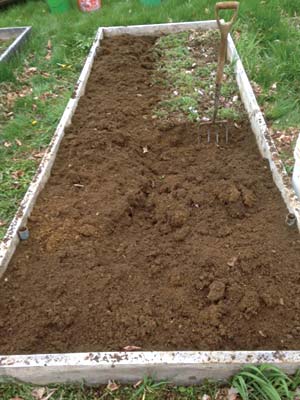
- A close-up of the wood grain on a raised bed that has been treated with linseed oil. The grain is clearly visible and the wood has a warm, natural look.
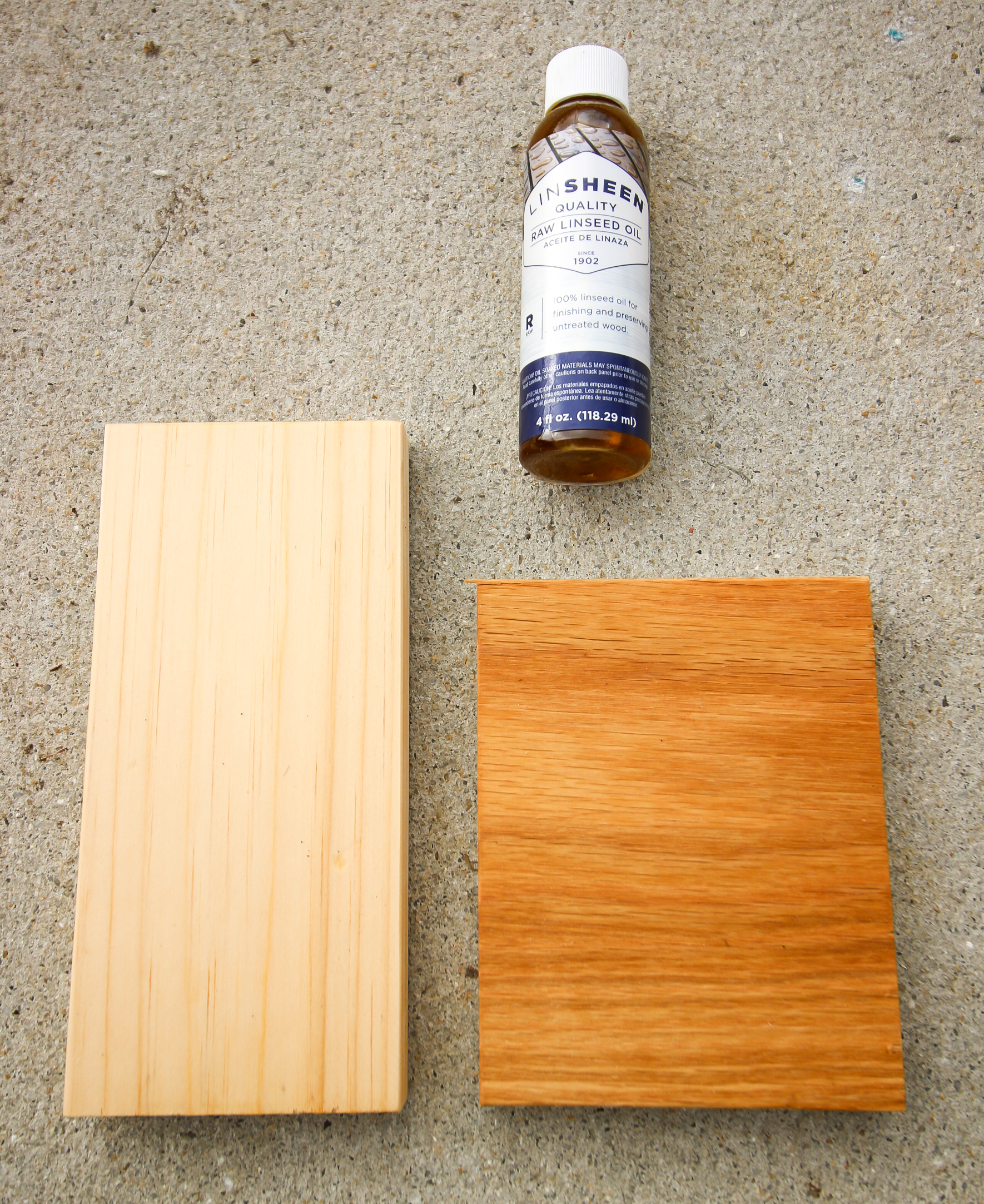
- A raised bed that has been in use for several years and has been regularly treated with linseed oil. The wood is still in good condition and has a weathered, but still attractive, appearance.
- A raised bed that is made from cedar wood and has been treated with linseed oil. Cedar wood is naturally resistant to rot and decay, but the linseed oil helps to further protect it from the elements.

- A raised bed that is surrounded by flowers and plants. The linseed oil treatment helps to protect the wood from the moisture and dirt from the plants.
- A raised bed that is located in a shady spot in the garden. The linseed oil treatment helps to prevent the wood from rotting or cracking in the shade.
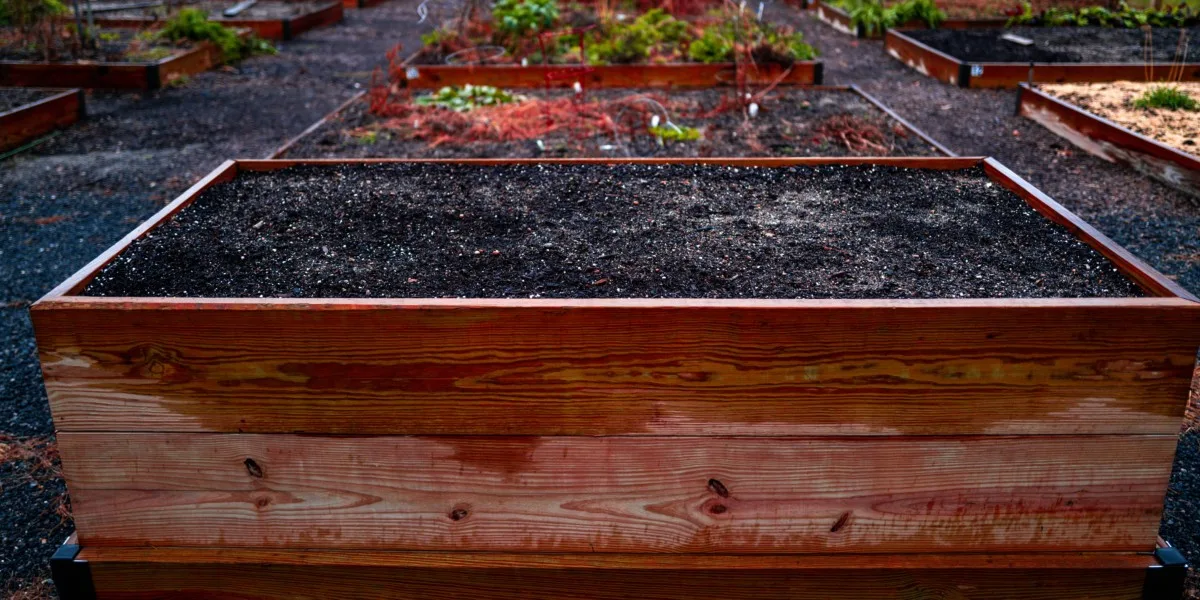
- A raised bed that is made from recycled wood and has been treated with linseed oil. The linseed oil helps to give the recycled wood a new lease on life.
- A raised bed that is used to grow vegetables. The linseed oil treatment helps to protect the wood from the moisture from the soil and the vegetables.
- A raised bed that is used to grow flowers. The linseed oil treatment helps to protect the wood from the moisture from the soil and the flowers.

Post a Comment for "How To Protect Your Raised Beds With Linseed Oil In Simple Steps"